


The Science Behind Zero Gravity: A Revolutionary Approach to Reducing Back Pain

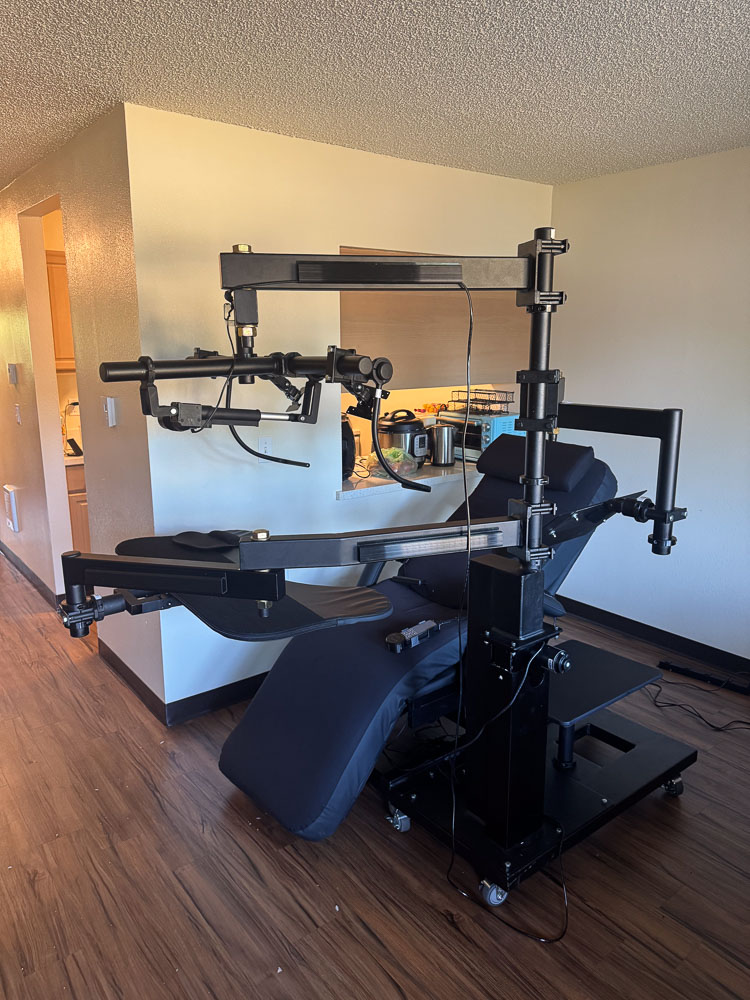
One promising solution gaining popularity is the zero gravity posture. Inspired by NASA’s astronaut engineering, this position offers notable health benefits for individuals dealing with sciatica, chronic back pain, and other musculoskeletal concerns. The zero gravity posture helps distribute body weight evenly and reduces pressure on the spine.
This blog will explore the scientific principles behind the zero gravity posture, its effectiveness in alleviating back discomfort, and why it represents a significant advancement for professionals working in high-stress or desk-bound environments.
What Is the Zero Gravity Position?
The zero gravity position was originally developed by NASA to help astronauts counteract the intense gravitational forces experienced during space launches and re-entry. By reducing gravitational strain, this posture aimed to enhance astronaut comfort and prevent spinal issues caused by high G-forces. In a typical zero gravity chair or recliner, your feet are elevated above your heart while your back reclines at an angle of about 120-130 degrees. This arrangement evenly distributes body weight, lessening pressure on the spine—especially the lower back.
This position not only simulates weightlessness but also encourages a neutral spine alignment, which can relieve stress and support overall body function. According to NASA Technical Reports (NASA-TP-2003-212054), studies have shown that in microgravity environments, astronauts experience spinal elongation due to reduced compression from gravity. Researchers observed that microgravity fosters a neutral body posture that decreases stress on the vertebral column and intervertebral discs. Their findings indicate that adopting a zero gravity position minimizes spinal loading, improves spinal health, and can help alleviate musculoskeletal pain—even here on Earth.
How Does the Zero Gravity Position Help Relieve Back Pain?
- Spinal Decompression: Zero gravity posture is highly effective for spinal decompression, a key factor in relieving back pain. In standard sitting or standing positions, gravity compresses the spinal discs—especially in the lower back—which can lead to issues such as herniated discs, sciatica, and degenerative disc disease. Adopting a zero gravity position aligns the spine more neutrally and distributes body weight evenly, significantly reducing pressure on the spinal discs. This posture helps open up spaces between vertebrae, benefiting individuals with ruptured or bulging discs. Research by Nachemson & Elfström (1970) found that reclining reduces disc pressure by up to 50%. Such findings support that spinal decompression techniques like zero gravity positioning can alleviate discomfort and pain while improving mobility.
- Improved Circulation: Elevating the legs above heart level in a zero gravity position enhances blood flow throughout the body. This improved circulation aids waste removal and reduces swelling (edema), which is particularly helpful for those with chronic back pain aggravated by poor circulation or inflammation. Enhanced blood flow delivers more oxygen and nutrients to muscles and tissues in the back, promoting healing while reducing stiffness and discomfort. According to Harvard Health Publishing (2020), better circulation accelerates tissue repair and decreases inflammation—key benefits of using a zero gravity posture for musculoskeletal recovery.
- Muscle Relaxation: Muscle tension from prolonged sitting often contributes to back pain, especially in sedentary work environments where spasms or stiffness may occur in both lower (lumbar) and mid-back (thoracic) regions. The zero gravity position allows muscles to relax naturally by providing full-body support that relieves stress on areas like the neck, shoulders, and lower back muscles. A study by Santos et al. (2015) showed that office workers using reclined seating experienced significant reductions in muscle tension and discomfort—demonstrating how ergonomic seating solutions like zero gravity chairs can enhance comfort for those prone to muscular strain.
- Posture Improvement: Poor posture over time can cause various musculoskeletal problems including neck pain, headaches, and chronic back issues. Zero gravity positioning not only eases current discomfort but also supports long-term postural health by keeping the spine neutrally aligned during reclining periods—a practice especially valuable for people who spend extended hours seated at workstations or desks. Bridger’s “Introduction to Ergonomics” (2009) highlights how reclined postures reduce spinal loading; this ergonomic approach improves comfort while lowering risks associated with poor posture.
- Lower Back Pressure Relief: Individuals suffering from conditions such as lumbar stenosis or sciatica often experience intense nerve-related symptoms due to pressure on their lower spine or sciatic nerve—including sharp pains radiating down their legs as well as numbness or tingling sensations. The zero gravity position elevates both legs while lowering upper body angle; this decompresses affected nerves within the lumbar region of your spine—helping ease nerve compression symptoms significantly according to Kuittinen et al.’s research published in Spine Journal (2014).
Scientific Research Behind Zero Gravity Position
Extensive studies confirm that adopting a zero gravity position offers multiple benefits: it lowers spinal pressure; boosts circulation; decreases muscle tension; supports healthy curvature of your spine—all contributing factors making it an effective non-invasive treatment option for managing various types of back pain.
Who Can Benefit?
The zero gravity position is recommended for individuals experiencing:
- Chronic back pain from muscle strain/herniated/degenerative disc disease
- Sciatica caused by sciatic nerve compression
- Arthritis including osteoarthritis/rheumatoid arthritis
- Recovery after spinal surgery
- Scoliosis-related discomfort
- Fibromyalgia symptoms
- Sedentary lifestyles involving prolonged sitting
Incorporating regular use of a zero-gravity chair into daily routines may improve comfort levels—and overall health—for anyone dealing with persistent pain conditions or recovering from injury related to their spine.
Conclusion: A Step Toward Better Spinal Health The zero gravity position is more than simply a luxury; it’s a scientifically proven approach for treating and alleviating back pain. Whether you have chronic pain or simply wish to improve your posture and circulation, adopting this position can provide long-term advantages. The zero gravity posture, which employs the concepts of spinal decompression, muscular relaxation, and better circulation, offers suffering from various comprehensive approach to back pain treatment, significantly enhance quality of life for digital workers and those of musculoskeletal chronic conditions. As the world continues to embrace sedentary workstyles, it’s essential to take proactive steps in protecting our health. Zero gravity chairs and ergonomic solutions are helping individuals recover, stay productive, and live pain-free—one recline at a time.
References:
- NASA Technical Reports (NASA-TP-2003-212054)
- Nachemson, A., & Elfström, G. (1970). “Intravital dynamic pressure measurements in lumbar discs,” Spine.
- Harvard Health Publishing (2020). “How to Improve Circulation.”
- Santos, D. et al. (2015). “Reclined seating and back pain in office workers,” Journal of Back and Musculoskeletal Rehabilitation.
- Bridger, R. S. (2009). “Introduction to Ergonomics.”
- Kuittinen, P. et al. (2014). “Low back pain in sciatica: A prospective study,” Spine Journal.