

How to Get Insurance to Cover Your Zero Gravity Workstation or Chair

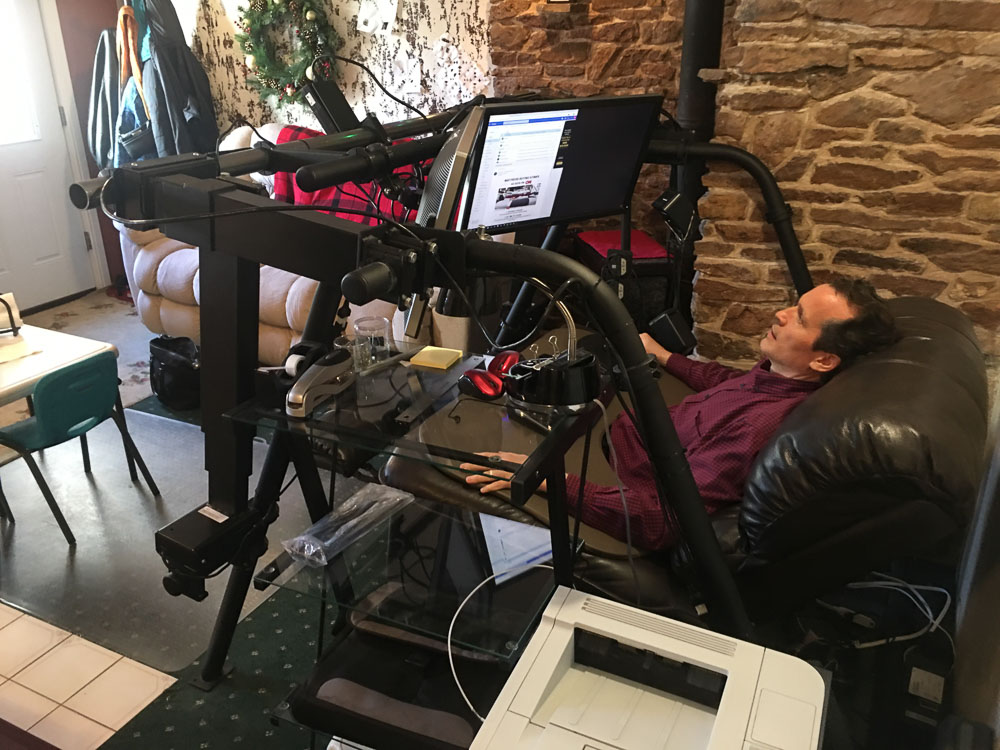
1. Health Insurance: Obtaining coverage through health insurance can be challenging, as ergonomic workstations and chairs are generally not classified as durable medical equipment (DME). DME is defined by specific criteria: it must be durable, medically necessary for patients, suitable for home use, serve a medical purpose, withstand repeated use, and primarily address physical injuries. While zero gravity workstations and chairs offer therapeutic benefits, they typically do not meet these requirements.
However, if you wish to pursue this route:
- Review your health insurance policy for information on ergonomic product coverage.
- Consult your healthcare provider and request a prescription specifying how your health would be negatively impacted without a zero gravity workstation or chair.
- Obtain the appropriate procedure codes identifying the item; these can be provided by your doctor or found at http://www.icd10data.com/ICD10CM/Codes.
- Submit your claim with all supporting documentation. If denied initially, contact your insurer with additional evidence or formally appeal the decision. You may also seek assistance from professionals specializing in medical claims.
1a. Veteran Affairs (VA): Veterans receiving disability benefits through the VA might qualify for coverage of a workstation or chair under certain conditions. As with private insurance providers, these items are not typically considered DME by the VA. A prescription from your doctor is required; then contact your assigned caseworker or local VA office to discuss next steps.
2. Flexible Spending Account (FSA) or Health Savings Account (HSA): You can use funds from an FSA or HSA—accounts that allow pre-tax contributions—to pay for eligible medical expenses such as ergonomic furniture if deemed medically necessary.
To utilize this option:
- Request a letter of medical necessity from your doctor explaining why you require a zero gravity workstation or chair.
- Provide this documentation when making purchases through FSA/HSA accounts to ensure compliance with IRS guidelines and avoid penalties.
For convenience, templates for letters of medical necessity are available online at resources like hsalist.org.
By exploring these avenues and gathering proper documentation from healthcare professionals where needed, you increase your chances of having some—or all—of the costs covered when acquiring a zero gravity workstation or chair.
[Doctor’s Name]
[Doctor’s Address]
[Doctor’s City, State ZIP Code]
[Date]
[Insurance Company Name]
[Insurance Company Address]
[City, State ZIP Code]
Re: [Patient’s Name]
[Insurance Policy Number]
To Whom It May Concern:
I am writing to request coverage for [patient’s name]’s medical treatment, as I have deemed it medically necessary for their health and well-being that they receive treatment with zero gravity workstations/chairs.
Patient Information:
[Patient’s Name]
[Patient’s Date of Birth]
[Diagnosis]
[Treatment Plan]
Explanation of Medical Necessity:
Zero gravity workstations are medically necessary for patients who experience chronic pain [or insert your particular medical condition here]. These workstations help by reducing spinal compression, minimizing joint strain, enhancing circulation, reducing muscle fatigue, managing pain, and improving respiratory function.
[Also provide as much supporting evidence as possible, such as lab results, imaging, or medical history.]
[Include any other relevant information, such as the patient’s previous treatment, their response to treatment, and the potential risks of not receiving the treatment.]
I strongly recommend that [patient’s name] receives this treatment as soon as possible to ensure the best possible outcome for their health.
Thank you for your attention to this matter. If you require any further information or documentation, please do not hesitate to contact me.
Sincerely,
[Doctor’s Name]
[Doctor’s Title]
[Doctor’s Contact Information]
Enclosure(s): [List medical results included as evidence of medical necessity]
3. Employer: If possible, consider asking your employer to cover the cost of your workstation or chair. Many clients have successfully secured this support from their companies. To begin, schedule a meeting with HR or your manager. Beforehand, try to gather examples of other organizations that provide zero gravity workstations and chairs for employees—these can help strengthen your case. (We will soon add more examples to our ‘Success Stories’ page.)
During the meeting, highlight how an ergonomic setup can boost productivity and offer a strong return on investment for the company. If an immediate decision isn’t made, remain patient; employers often need time to assess costs and logistics before moving forward with such requests.
If you are a valued employee experiencing chronic pain, there is a good chance your employer may be willing to contribute toward some or all of the cost.
4. Other Options: Consulting with a CPA can help determine whether your purchase qualifies for tax deductions.
Alternatively, you might choose financing options such as Affirm or Klarna. Affirm allows customers to split purchases into monthly payments—sometimes at 0% APR during special promotions—while Klarna offers payment in four interest-free installments or longer-term financing plans.